Our recommendations for 8M
As tradition dictates on the most significant dates on the calendar, we have assembled our film selection team to put together a good handful of films to commemorate the occasion.
Below is a list of recommendations that highlight the presence of women, both in front of and behind the camera, without whom we could never understand our love for genre films.
Ángel Sala - Artistic Director
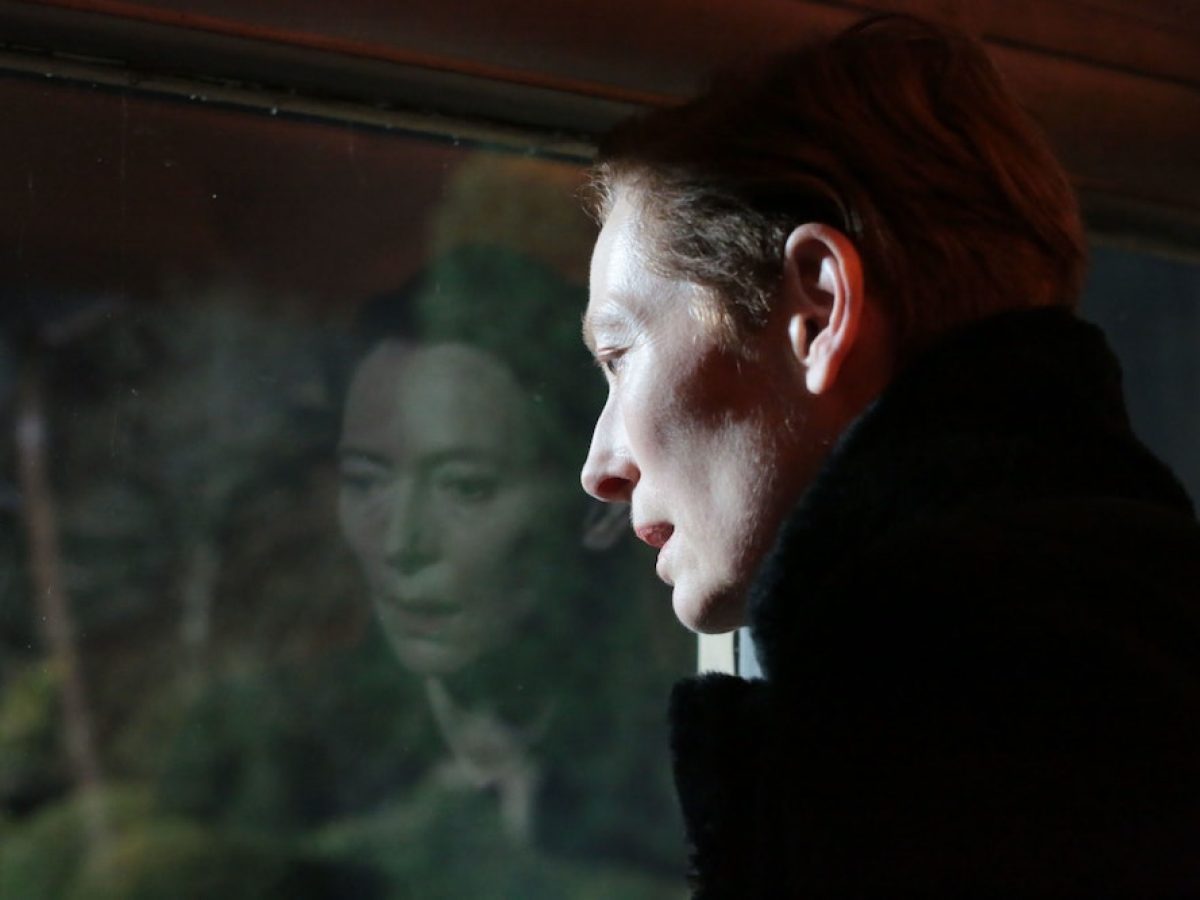
Tilda Swinton in a double role, one of which is ghostly, in a generational dialogue shrouded in darkness in the essential and underrated The Eternal Daughter by Joanna Hogg, a ghost story that is transgressive while remaining classic and which defines the idea of supernatural apparitions like few others.
Mònica Garcia - General Manager Foundation
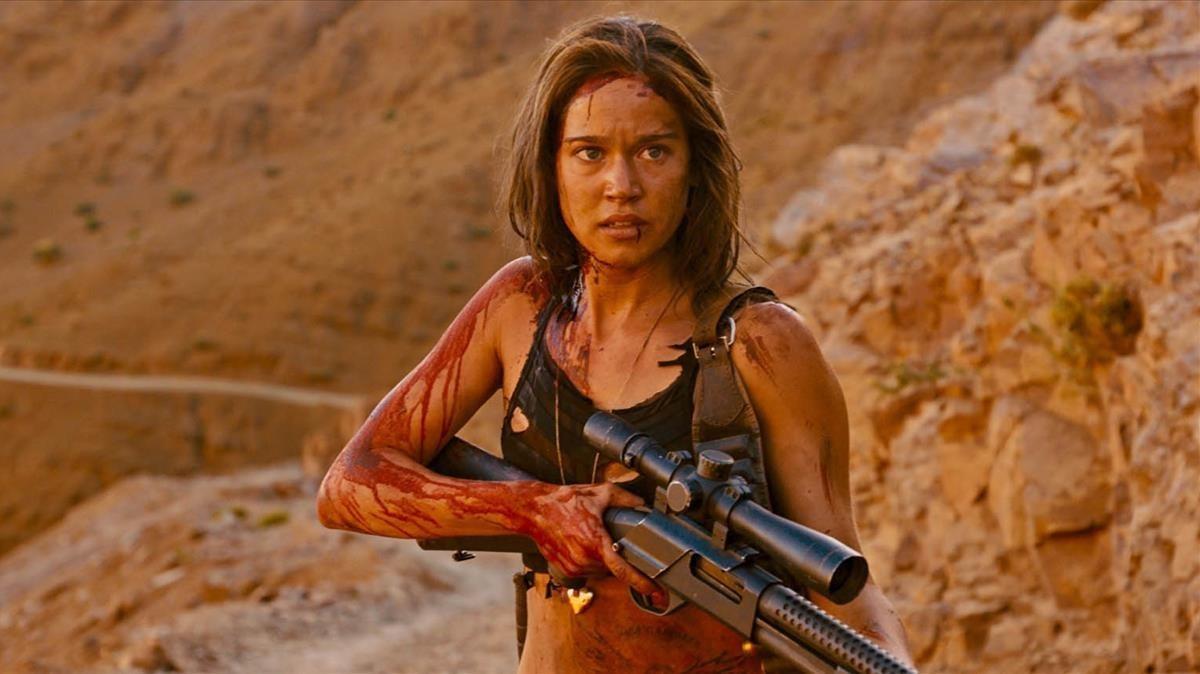
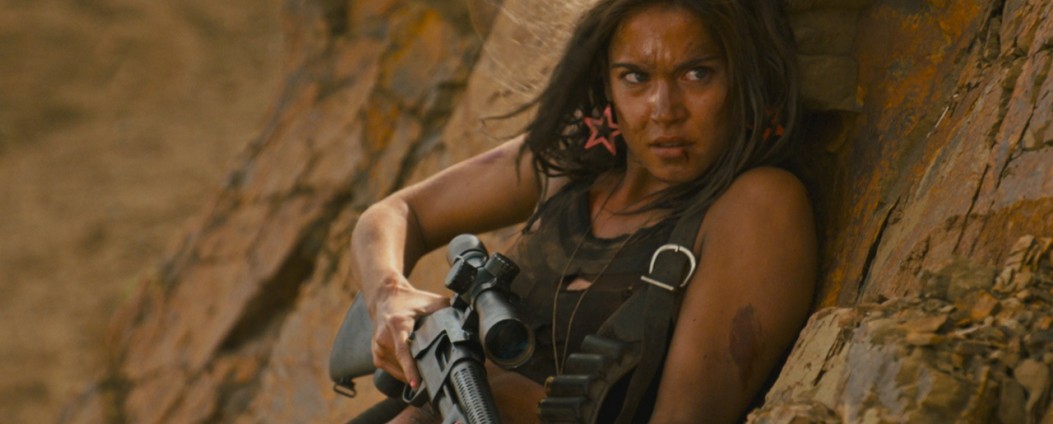
The most charismatic face in the rape-revenge subgenre is undoubtedly that of the heroine of the film Revenge, directed by Coralie Fargeat in 2017. The Final Girl, played by a visceral Matilda Lutz, is the star of one of the most surprising transformations in recent genre filmmaking: from an object of desire, she quickly steps up to take control of her own survival. Jen's body, coveted by the male gaze, is deformed by a violence that seeks to destroy her, but which ends up becoming her only means of resistance against her tormentors. Physical and visceral, Revenge showcases a woman determined to survive at any cost.
Xavi Sánchez Pons - Programming Committee
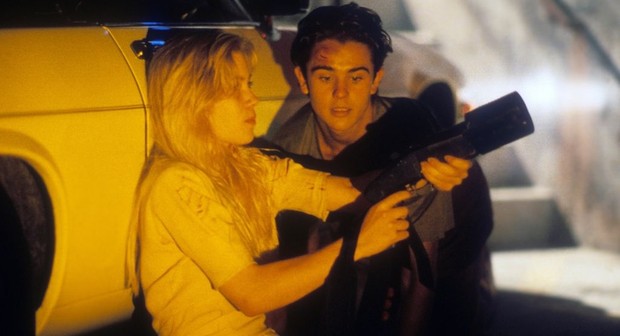
Katt Shea, one of the genre film directors and screenwriters who urgently deserves to be vindicated, directed and co-wrote this fantastic horror thriller that brought a premise similar to Maniac Cop to a sunny, yet sordid California; albeit without the supernatural alibi of that cult classic by William Lustig. Christina Applegate, the star of Streets, shines with a light of her own as a homeless final girl who must face a psychopathic, fascist cop. Incidentally, it is produced by Roger Croman, always attentive to new female voices.
Enrique Garcelán - Selection Committee
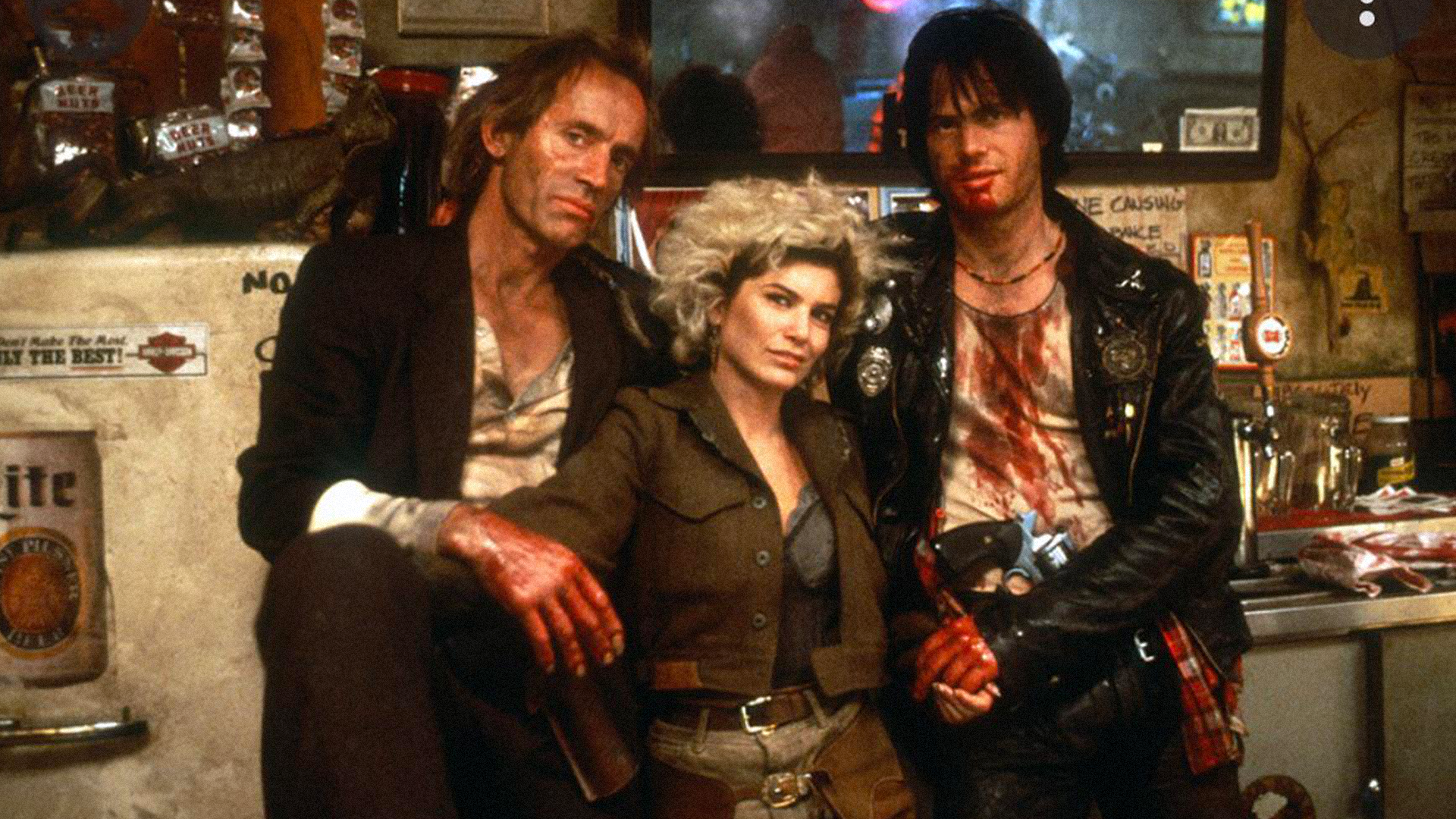
I have decided to recall the surprise I felt when I discovered Near Dark, a vampire western that appeared unexpectedly at a surprise screening in Sitges. That screening was something of a revelation: a mixture of dust, blood, and night that transformed this genre into a strange and fascinating territory. Its director, Kathryn Bigelow, was already very clear about her place behind the camera in her first solo film, released in 1987. She put it without beating around the bush: «If there is a certain resistance to women being directors, I have decided to ignore that obstacle for two reasons: I’m not going to change my gender, and I refuse to stop making movies.»
Gerard Casau - Selection Committee
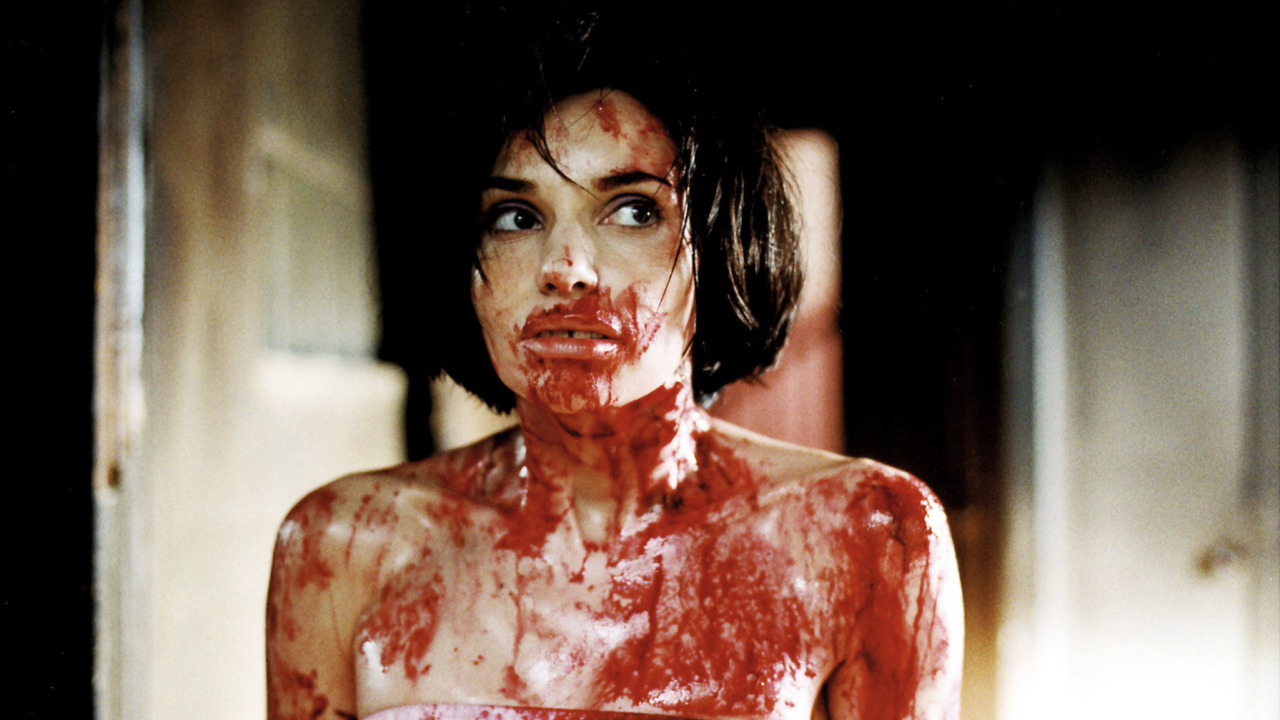
I never watched Trouble Every Day, by Claire Denis, with a stopwatch in my hand, which is why I can't say exactly how long Béatrice Dalle appears on screen. Perhaps it's not long, but that doesn't matter. Her character Coré dominates the film even when she's not physically present, as expansive as the splashes of blood she herself spatters on the walls of the house where her protector/captor tries to contain the beautiful beast and her uncontrollable desire. In a way, Dalle seemed destined to play this character even before Betty Blue revealed her voluptuous aura, identified in those lips that must bite and tear apart timidity. Marco Bellocchio spotted it straight away and quickly offered her the role of the post-punk witch in The Witches' Sabbath, whose martyrdom she herself referenced decades later, as a kind of hypertext, in Gaspar Noé's Lux Æterna. But in the midst of all this, like a magnetic and lethal center of gravity, we find the cannibal Coré, whose mouth is the abyss where a kiss turns into a bite.
Gloria Fernández - Selection Committee
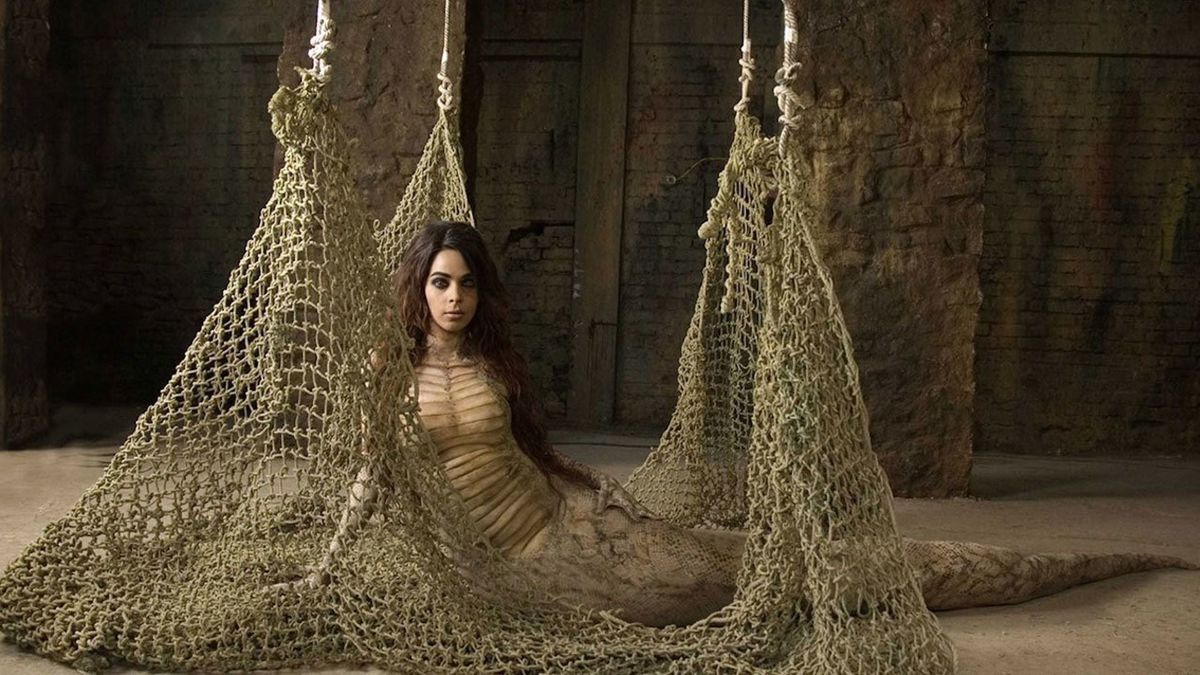
Jennifer Lynch, daughter of legendary filmmaker David Lynch, showed tremendous courage when she directed Hisss in India in 2010, a new version of the traditional myth of the Nagini, the snake women. Her ambition was to modernize this figure by creating an auteur thriller with a dose of fantasy. However, the shoot turned into a veritable nightmare, a process that was chronicled in the documentary Despite the Gods, directed by Penny Vozniak in 2011 (and presented in Sitges, incidentally, with both Penny and Jennifer in attendance), which shows the challenge of a woman fighting for her authority within the Indian film industry, an industry overwhelmingly dominated by men.
Javier Fernández - Selection Committee
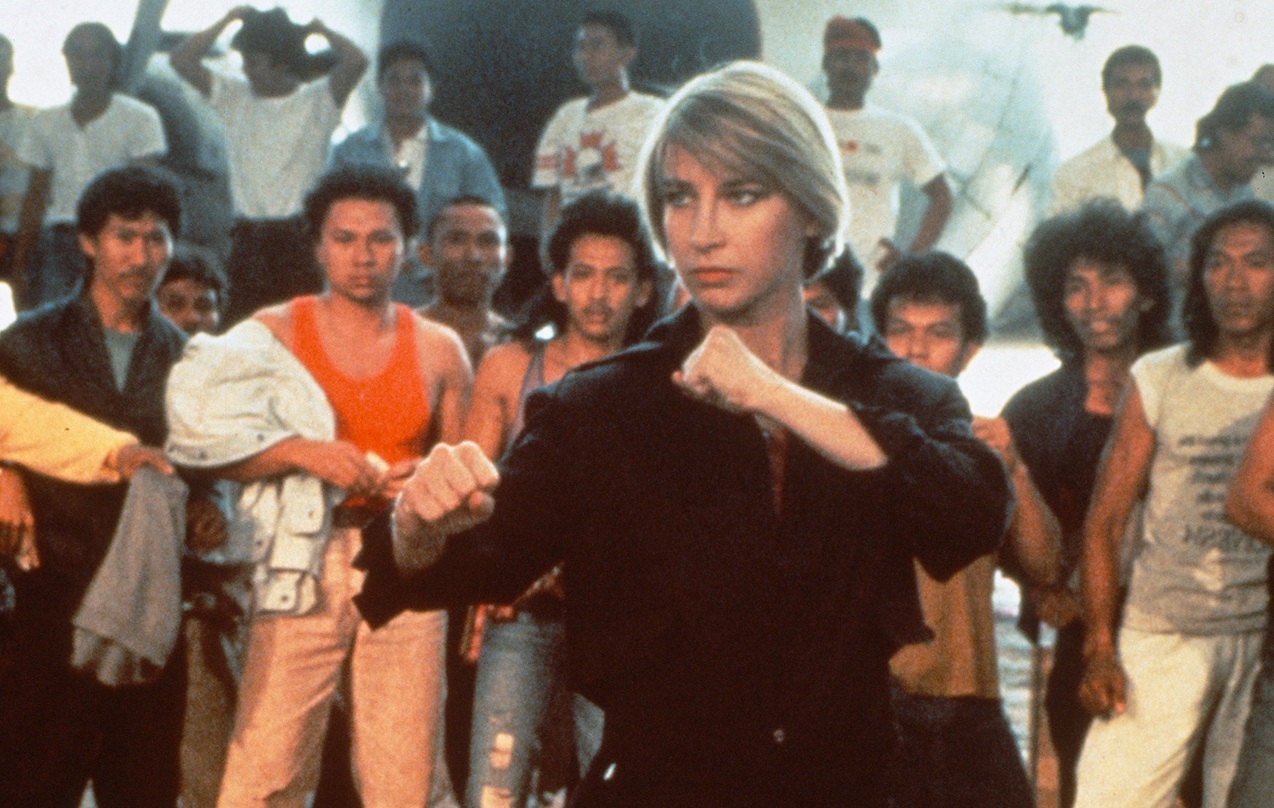
Cynthia Rothrock in Lady Dragon, directed by David Worth. From brief appearances in Hong Kong cinema to becoming a true international action movie star, consolidating her position as an undisputed female icon in this genre.
Omar Parra - Selection Committee
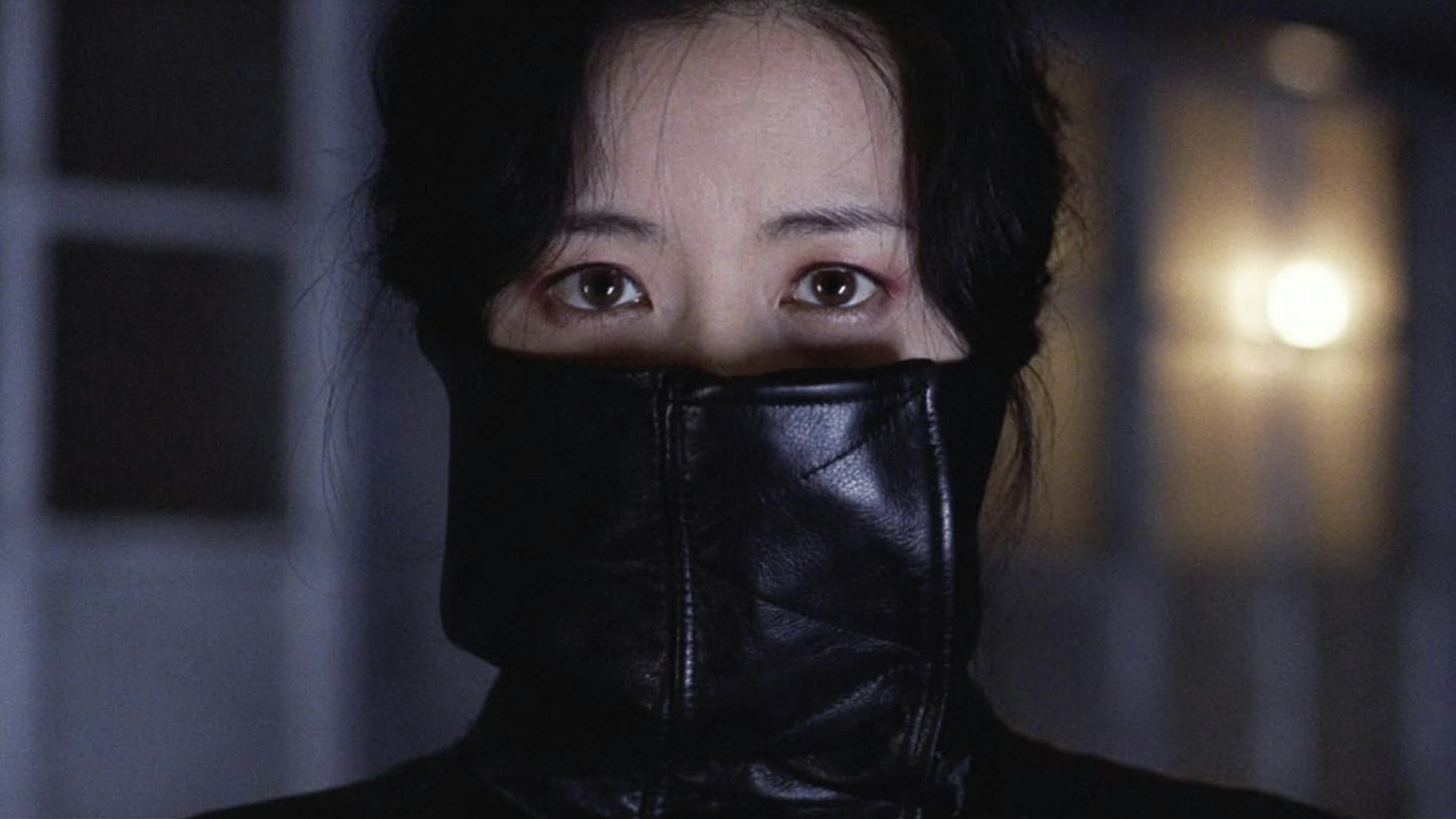
When it comes to female characters who break the mold in fantastic genre, Sympathy for Lady Vengeance's Lee Geum-ja is the undisputed boss. Park Chan-wook closes his trilogy with a woman who, after thirteen years of unjust imprisonment, decides to stop being the victim to become the most elegant and ruthless angel of destruction in Korean cinema. It's incredible how she uses her supposed “kindness” as a weapon and how Lee Young-ae hypnotizes us with that gaze laden with red shadow. It's not just revenge; it's Geum-ja taking control of her own cold-blooded redemption. An icon to be celebrated today and always.
Víctor Esquirol - Selection Committee
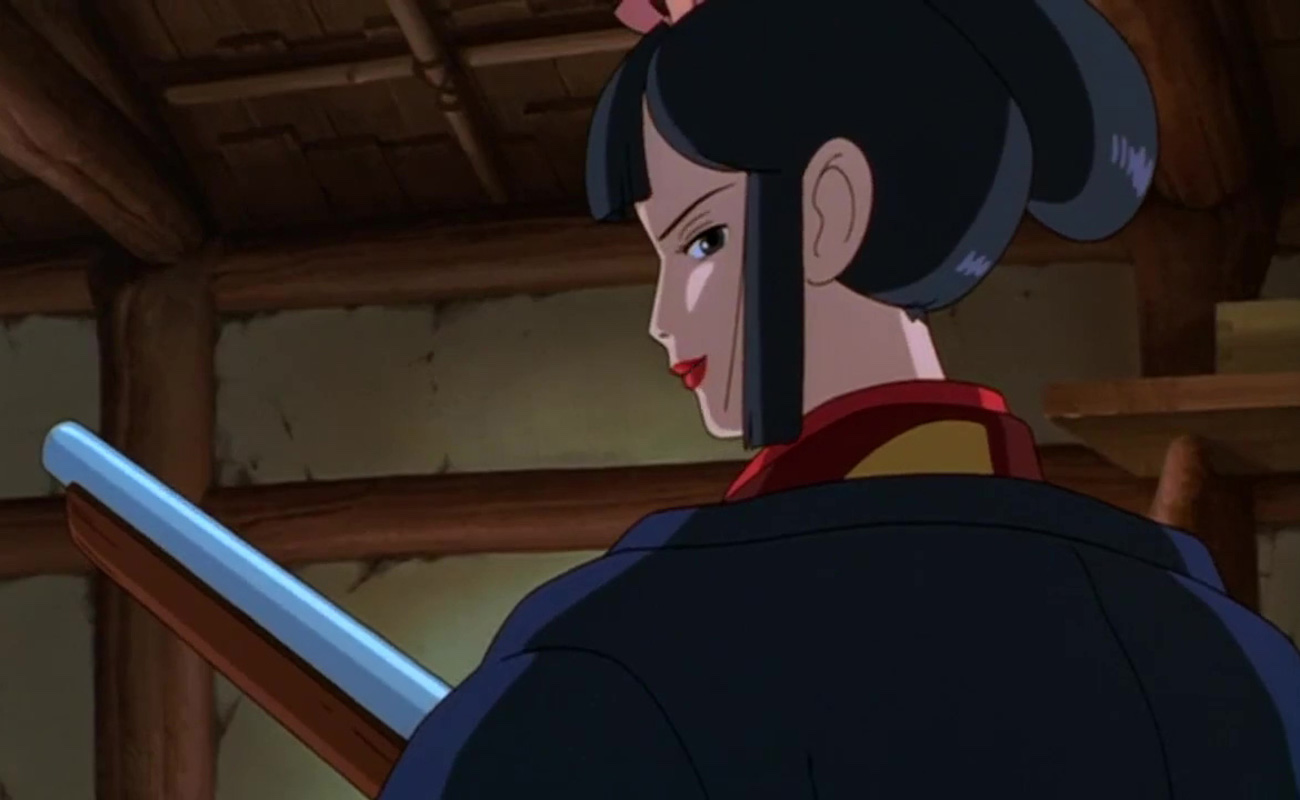
In a filmography where feminism has always played a prominent role, it's only logical that the pinnacle is marked not by a film, but rather by a female character. I feel that Lady Eboshi is the sublimation of all the virtues of Hayao Miyazaki, both as an artist and as a human being. The “antagonist” of Princess Mononoke is much more than that; in fact, each of her appearances is a rebellion against the condemnation of being reduced to a mere label. After all, Lady Eboshi is not merely a character, but rather a perfect synthesis of the human condition, as well as the place it occupies in the world. The leader who has fortified herself, with an iron fist, in a social utopia, is also the embodiment of a thirst so insatiable that it can equally plunge her people into the abyss of ecological cataclysm. In doing so, Miyazaki masterfully blurs the lines between Good and Evil, blending both poles into an equally elegant, threatening, and captivating whole... thereby declaring with it (or with her) that what defines us is not our convictions, but the contradictions and tensions that are created between them.
Previous content
Interview with Laura CasabéNext content
SXSW2026 With Fantastic Genre Taking Center Stage