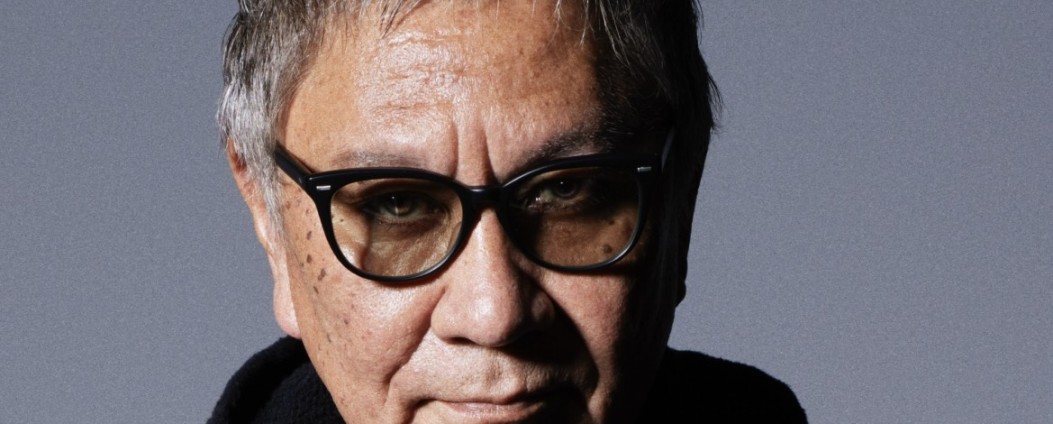
"Freedom is the Gateway": A Conversation with Takashi Miike, Godfather of Fantastic 7
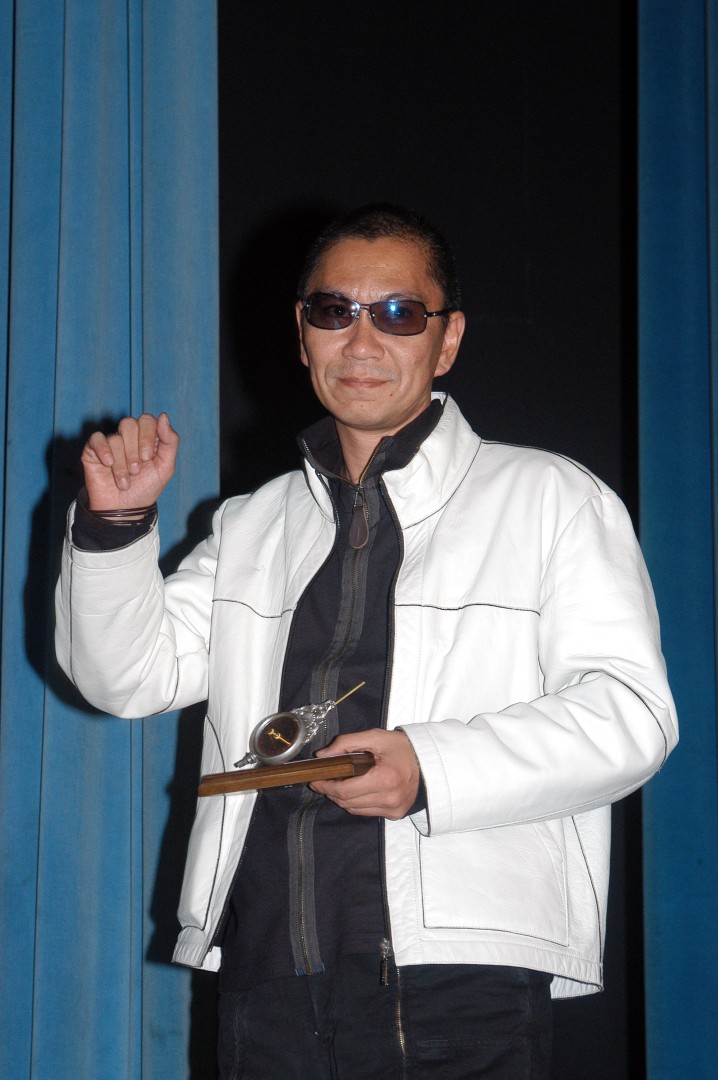
Introduction
In an art form as demanding as filmmaking (both financially but also in terms of coordinating large crews of professionals), a director’s primary goal must be to bring every project to fruition, whether they’re the ones he proposes himself or those that find their way onto his desk. In this way, he builds a filmography, a collection of opportunities not squandered, where his own vision shines through. An unmistakable voice, a personal, inalienable hallmark.
At present, between short films, feature films, TV series, and music videos, Takashi Miike’s filmography includes nearly 150 titles. And it’s very likely that by the time you’ve finished reading this, that number will have grown by at least a couple of entries. Thirty-five years of experience have led him to build one of the most prolific filmographies in film history, and the best part is that his art shows no signs of running out of steam (as evidenced by the film with Charli XCX he has scheduled for next year).
Over three decades maintained at an infernal production rate, during which such seminal titles as Audition, Ichi the Killer, The Happiness of the Katakuris, Visitor Q, Gozu, Crows Zero, 13 Assassins, Phoenix Wright: Ace Attorney, First Love, etc... have all made their mark… When the world was just beginning to allow itself to be seduced by the latest wave of J-Horror, he had already set the standard; when we were wondering if video games would ever merge with cinema, he came up with the solution (just as he did with the transition from anime to live-action); when we were rediscovering 3D, he used it to revisit the sacred works of Masaki Kobayashi…
From the liturgical precision of the chanbara to the wildest space adventures; from studio commissions to projects that can only spring from radically auteurist pursuits. Always with the same energy and commitment; never knowing, from the start, where these forces of nature are going to take us. To a yakuza thriller, perhaps, or maybe to haunted house horror, or courtroom dramas, or a noodle western, or gloriously absurd comedies, or eccentric superhero movies… With no frontiers, no fear of losing control, no limits that can contain a cinema that screams at the top of its lungs whenever it sees an opportunity, and that, consistently, knows no taboos.
If you've ever had an intrusive thought that, out of fear it would overwhelm you or simply because it made you uncomfortable, you wanted to banish from your mind, take comfort (or tremble) knowing that Takashi Miike has almost certainly already included it in one of his infinite films.
Interview
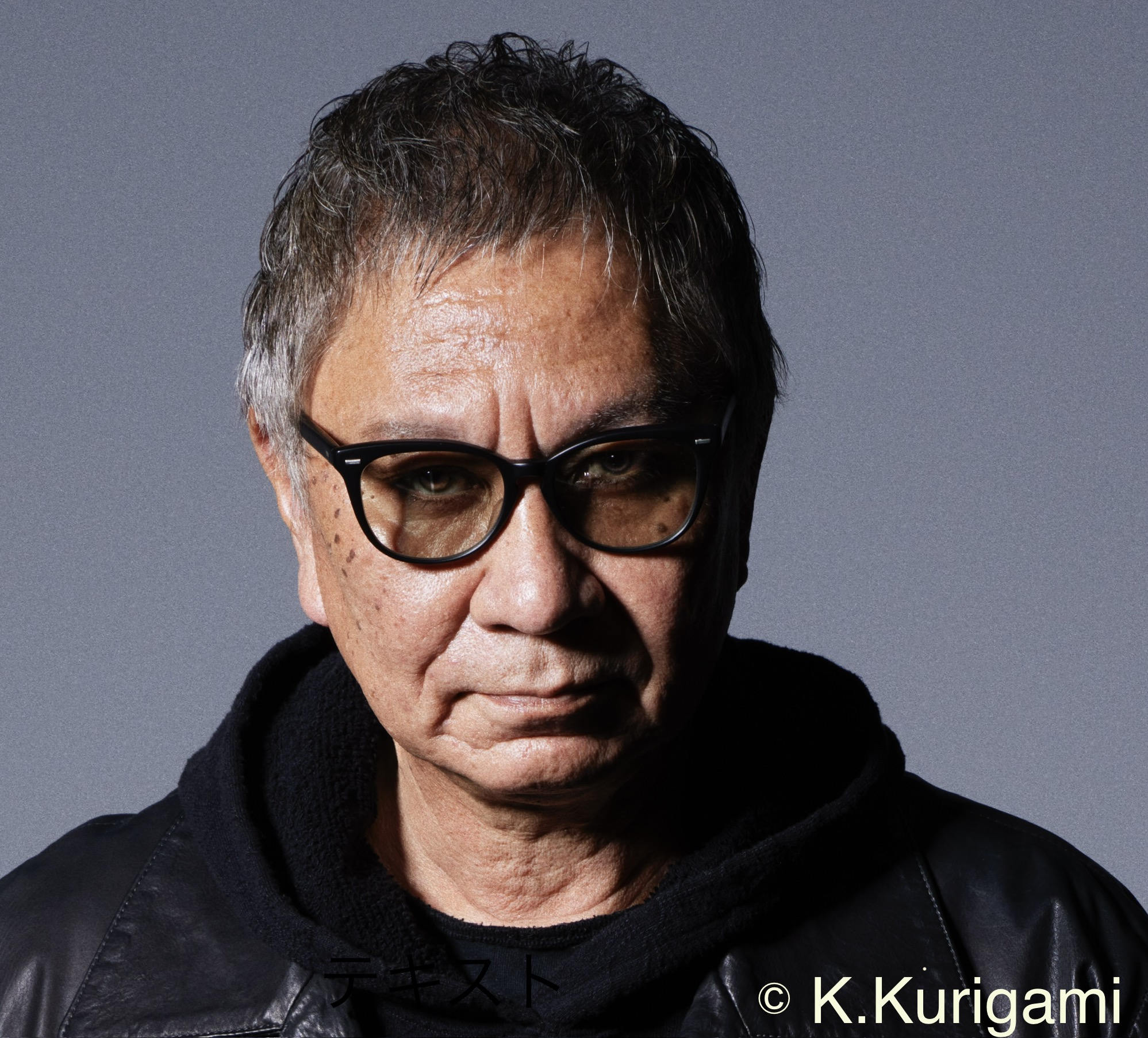
On the occasion of his appointment as godfather of the upcoming edition of Fantastic 7 at the Marché du Film- Festival de Cannes, Takashi Miike reflects on a singular filmmaking trajectory defined by creative autonomy, radical experimentation, and an unwavering devotion to cinema. From his formative encounters with popular genre icons to his unlikely entry into the industry and subsequent evolution into one of the most prolific and boundary-pushing directors of contemporary Japanese cinema, Miike articulates a philosophy rooted in freedom, discipline, and total submission to the film itself. This interview traces the origins of his relationship with the fantastic, his working ethos, and his expectations for a new generation of filmmakers shaped by the limitless possibilities of the digital age.
ORIGINS
Your cinema often feels shaped by formative shocks and unexpected encounters. If you look back, what early images or experiences first fractured your perception of film and opened the door to something more radical?
For a boy born in 1960, movies meant anime, Godzilla, and Gamera.
My first encounter with a foreign film came when my father—unusually—invited me to a local theater to see Steven Spielberg’s Duel. As I recall, it was released theatrically only in Japan. I was ten years old. After the screening, my father, who loved movies, muttered, “It didn’t cost much, but it was interesting.” That single remark had a profound impact on my life. It taught me that the power of a film is not determined by its budget. Soon after came the arrival of Bruce Lee. I began saving my allowance to go to the movies.
In high school, I encountered The Texas Chain Saw Massacre, which shattered me. That said, I never once thought about becoming a film director or working on set at the time. For a boy who had repeatedly been let down by dreams and aspirations, that was only natural.
So why did I enroll in a film school (Yokohama Academy of Broadcasting and Film)? The answer is simple: there was no entrance exam.
In reality, I hardly attended. Two years passed as I spent my time working part-time jobs and riding motorcycles. Meanwhile, the serious students were preparing their graduation films.
BECOMING A FILMMAKER
Your path into filmmaking was anything but conventional—almost accidental. Looking back, do you think that unexpected beginning ultimately gave you a greater sense of freedom as a director?
As I mentioned, while my classmates were busy with their projects, the school received a job request for an assistant director.
School staff: “All our students are busy with their graduation projects. We have no one to recommend.” The requester, apparently desperate: “Then introduce me to someone who doesn’t even come to school.” School staff: “…There is one.” That was the moment I became useful to someone for the first time.
From then on, I spent ten years working as an assistant director—serving the film and the director—and learned the fundamentals of filmmaking.
Eventually, I was asked to direct. Of course, it was an ultra–low-budget project. But in exchange for the limited budget, I was given freedom. And freedom is the gateway to fantastic cinema.
THE FANTASTIC AS TERRITORY
You’ve described freedom as intrinsic to low-budget filmmaking. Would you say that the fantastic genre, in your work, emerges precisely from that space of constraint turned into creative possibility?
I do not live for myself, but for the film. For me, cinema does not exist for my future—it is absolute.
Desires such as wanting recognition as a director, becoming famous, or making money have faded away. I devote myself completely. I become a slave to the film.
PHILOSOPHY OF CREATION
Your films often place characters under extreme pressure, where something latent seems to emerge. What draws you to these moments of intensity, and what do they reveal to you about human nature?
When people are cornered—when they are pushed to the edge—dormant strength awakens.
THE FUTURE OF THE FANTASTIC
As godfather of Fantastic 7 at the Marché du Film, what kind of cinema would you like to see emerge from the fantastic in the years to come?
I have great expectations for the next generation of filmmakers who have been immersed in the digital ocean since birth.
I want them to create films we have never seen before. I look forward to encountering something truly shocking— like the impact Bruce Lee suddenly had on me as a boy.
Previous content
Remembering Michele Massimo TarantiniNext content
5 Out of More Than 100: TOP 5 Takashi Miike films