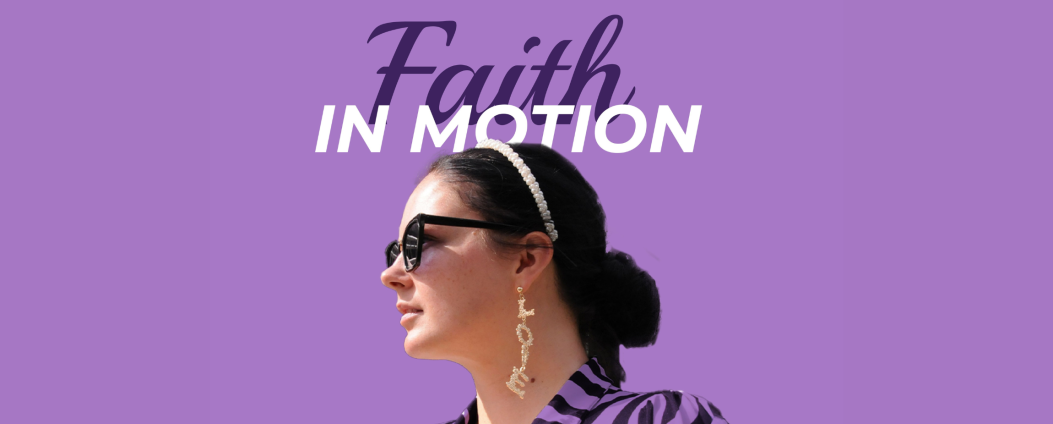
From the red carpets of Cannes to the coastal stages of Sitges, Faith Elizabeth (Sussex, United Kingdom) has steadily built a career defined by empathy, versatility, and purpose. An actress, director, producer, and founder of the initiative Yes She Cannes, she has become one of the most dynamic voices advocating for female representation and creative collaboration within the international film industry.
At Sitges 2025, Faith joined the MaestrAs panel — a space dedicated to women shaping the language of fantastic cinema — where she shared insights on leadership, creative identity, and the importance of storytelling that transcends boundaries. Her path bridges performance and production, business and art — proving that the two can not only coexist but thrive together.
You took part as a panelist in the MaestrAs section at Sitges. What were the key themes or conversations you wanted to bring to that stage?
Firstly, I want to say “moltes gràcies” to Sitges and WomanInFan for the kind invitation– it was my first Sitges, and I had a wonderful experience meeting your film community and seeing first-hand what all the buzz around one of the world’s most influential horror festivals is about. It was a huge honour to sit on the Maestras panel alongside horror icons Nancy Loomis and Barbara Crampton. Meeting women whose careers helped shape the genre– especially for women– was fascinating, as was hearing how their creativity has evolved over the years.
It was also very special getting to know Barbara personally through the WomanInFan WhatsApp community. We met several times during the festival, and I discovered not only her passion for representing older women in new ways but also what an incredible person she is outside of her career. It was truly inspiring– especially in an industry that has often placed “expiry dates” on women’s careers.
When I was invited to join the panel, I was especially interested in sharing ideas on how we can work together to increase the presence of women in film– both behind and in front of the camera– while encouraging audiences to recognise the power they have to influence change. Often, audiences don’t realise how much impact they can have simply by choosing which films they support– whether that’s through financial backing, sharing, reviewing, or watching the projects they want to see more of. Vote with your feet and support loudly.
How does engaging in these festival spaces (like Sitges) differ from your daily work? What do you learn or bring back from them to your own creative or organisational roles?
Day to day, I juggle being a single mum, looking after my doggy, and managing events or producing work– and while I love my everyday life, I also love disappearing from the “real world” for a while into the wonderful worlds that festivals create. Each one has its own energy and community.
Meeting new people from around the world, hearing their stories of creating films and the challenges they’ve overcome and then seeing the work they’ve poured their hearts into is incredibly inspiring. At the end of the day, filmmaking is storytelling– not just the story we see on screen, but also the story of how it came to life. The more stories we listen to, the more we understand about humanity.
Festivals remind me to lead with curiosity and empathy. I always return home with a renewed sense of the magic of cinema, an expanded film family– and a deeper reminder of why storytelling matters, both on screen and behind the scenes. A real spark formed with New Zealand producer Belindalee Hope, who quickly became my festival buddy at Sitges– we shared countless heart-to-hearts about life, love, and movies over poke bowls and bubbly– and when I got home, I finally got to see her brilliantly raucous Netflix series Madam. That, to me, is the lasting magic of festivals– building relationships, discovering new work, and expanding the film family.
As the founder and CEO of Yes She Cannes, your mission is to support women attending major festivals. How has this role evolved since its founding, and what has surprised you most about building this community?
It began as a very simple idea: to showcase the women attending Cannes– so others would feel inspired– and to create a community that empowers them to succeed. That goal has remained the same, but over time we’ve discovered even more ways women need support. We’ve since expanded to include workshops, a practical “how-to” guide, hosted accommodation options, and partnerships with official festival teams– giving women a bigger voice within the festivals themselves. We’re also beginning to expand our reach to support women at other festivals around the world, continuing that same spirit of visibility, connection, and empowerment wherever it’s needed.
What continues to surprise me is the strength that comes from being part of a community built on shared values. Without the genuine care, investment, and support these women have for each other, Yes She Cannes wouldn’t have the same impact. They are the reason the movement feels so powerful– and why it keeps growing year after year.
Festivals like Cannes bring together global networks. How do you turn those high-profile moments into sustained change or opportunities– not just for the moment, but for women long-term in film?
Networking, at its heart, is about relationships. It shouldn’t be about trying to get something from someone, but about building genuine connections with people whose values align with yours. That’s how lasting, authentic relationships are built.
We also encourage clarity of goals– not just the big, long-term vision, but the smaller, tangible steps too. Knowing what you need right now helps you decide which talks and events to attend, who to ask for meetings with, and how best to use your time. When you’re clear about what you have to offer and how you can help others, you naturally create meaningful, long-term results– the kind that continue well beyond the festival.
How do you balance your own creative ambitions with the organisational responsibilities you hold?
I have to be honest– it’s difficult balancing my own career goals with building the community. A lot of my personal projects go on hold, especially around Cannes because of the sheer workload, but the relationships I’ve built through Yes She Cannes continue to be invaluable in supporting my own career too.
I met Mònica Garcia, for example, when she joined my Women in Genre panel with the Marché du Film at Cannes earlier this year– a connection that later led to my invitation to Sitges. The evolution of that relationship, and it leading me to Sitges, was especially meaningful, not only for Yes She Cannes– but as I’m currently developing my mermaid horror-fantasy Asrai– being there, meeting other filmmakers, and discovering inspiring works like the visceral fantasy-horror Jacques the Giant Slayer, directed by Aaron Moorhead and Justin Benson, has been creatively enriching.
In an effort to find better balance as Yes She Cannes continues to grow, I’m now focusing on building a team with interns and additional support. For many years it was self-funded and run solely by myself, but with greater visibility and recognition, we’re now able to bring in more sponsorship and membership support– which not only helps me create a healthier balance, but also allows us to offer so much more to our community.
Although I don’t always get the balance right, I’ve realised that the more I give to the Yes She Cannes community, the more it gives back to me. Helping other women rise has become part of my creative journey– and my purpose. The small sacrifices I make today are seeds sown for tomorrow, and it’s powerful to see those seeds bloom– not just in my own path, but across the women and stories shaping our industry.
Running Yes She Cannes surely requires a lot of emotional energy– how do you refill that creative well as a filmmaker?
I have ADHD, so this is something I find particularly challenging– especially when I go into hyperfocus during busy periods. Over time, I’ve learned to recognise when I need to pause, rest, and recharge.
This year in Cannes, I was running the biggest program we’ve ever done and really had to focus on that balance. As I also attend Cannes as a filmmaker with my own creative goals, there are moments where I have to step back and reassess what’s best for the bigger picture. I actually ended up missing a brilliant panel my friend Amy Baker (from Winston Baker) hosted with Director Ari Aster. I was feeling overwhelmed and needed to reset before hosting a big community event later that day.
I’m also blessed to have incredible friends around me who pour back into me and remind me to look after myself– a special thanks to filmmakers Aida Golghazi, Lona Fontaine, and Alida Pantone, and to my best friend at home, Elena Davidson, who’s always on the other end of the phone when I need her (especially when I need a good cry). These are the women who lift me up and make it possible for me to do what I do.
Having that support reminds me you have to accept that stepping back serves a bigger purpose. Knowing what to let go of, and when, is key to maintaining emotional balance and creative longevity.
You’ve built a career across very different roles– actress, director, event manager. Is there one that feels most “you,” or are they all parts of the same voice?
I think of it the same way many musicians play multiple instruments or artists work in different mediums– each role fulfills a different creative part of me. I love supporting other people’s stories through Producing, but Directing feels the most creatively free and exhilarating, as I get to build whole worlds and bring to life the stories I want to see.
I recently took my first step into horror outside of acting– as a Writer, Director, and Producer– with Granny DJ, a horror-comedy short premiering in January 2026 (to be announced soon). It was a fun, chaotic, and challenging project that reminded me how important it is to face the hard things and fight for what is right– even when it hurts. Acting, though, is where my love of storytelling began– it’s where I get to play, explore, and be vulnerable. I love seeing how my performances affect audiences– to make them laugh or cry, to help them feel something real. My favourite roles reveal something about our shared humanity, and I hope people leave feeling changed, even in a small way.
I also had the pleasure of meeting twin actresses Melissa and Michelle Macedo at Sitges, who both starred in and executive produced the feature film Thinestra, which screened at the festival. Attending with their director Nathan Hertz and producer Alexandra Lubenova, the film’s premise instantly caught my attention. It was inspiring to see women like the Macedo sisters taking creative control of their work– leading powerful performances on screen while shaping their own opportunities behind the scenes.
You mentioned your next project, Asrai, which is now underway. Without giving away too much, what drew you to this project and why now?
At its heart, Asrai explores loss, grief, and the pain of abandonment. Several of the mother figures in the story leave or die, reflecting my own experiences of loss after my mum passed away, as well as my struggles with rejection and the emotional sensitivity that often comes with ADHD. It’s been a deeply personal journey– one that’s allowed me to transform those feelings into something creative and meaningful, within a haunting and mysterious mermaid-fantasy world.
From meeting actor Giovanni Funiati at Cannes this year (and seeing his red carpet film premiere in the Grand Lumière!) to forming relationships with crew I’ve collaborated with on other productions– every encounter has helped shape the soul of what this film will become. We’re now at a stage where we’re ready to raise finance. Securing funding is challenging for anyone, but especially as a woman–and a first-time feature Writer and Director. After exploring a variety of options, I’ve decided to keep the budget intentionally low and take a gradual, audience-building approach through crowdfunding in stages. It allows us to raise funds while also building a community around the film– so by the time it’s complete, it already has people who believe in it and feel emotionally connected to its journey.
Genre cinema is evolving fast. When you approach a new project today, what genre elements excite you most, and what would you like to see change?
I’m thrilled to see the rise of more female filmmakers telling women’s stories and creating exciting, layered roles for women on screen. Films like The Substance are incredible examples of women redefining genre through their own lens. It’s bold, unapologetic, and proof that audiences are hungry for more complex, raw female narratives. I love how global storytelling has become– we’re exposed to more voices and perspectives than ever before. I’m especially drawn to creative reimaginings of classic archetypes– like Sinners, which gives a fresh take on vampires.
I’m also really inspired by filmmakers Heidi Honeycutt and Elle Schneider, who are currently raising financing for their series Mother of All Evil– a series exploring the origins of horror through the women who helped shape it. And of course, I’m thrilled to see mermaid horror finding new energy in cinema. Mermaid horror isn’t new, but it feels like it’s gaining momentum in a bigger, bolder way.
And finally, if you could pick one piece of advice you wish someone had told you at the start of your filmmaking journey, what would it be–and why?
I believe one of the most important things for people in this industry is to build skills and a sustainable income stream you can maintain alongside your filmmaking. The reality is this industry can be unpredictable– with gaps between projects, irregular pay, and a lot of uncertainty. Developing flexible skills that complement your film work gives you the freedom to keep creating and build a sustainable career for the long term. I’ve worked in marketing, promotions, and social media management alongside my film work, and those skills have become invaluable– not just for earning additional income, but for the transferable skills that support my film career and Yes She Cannes. I’ve also met incredible people who’ve found their way to filmmaking from other walks of life– each adding something personal, honest, and deeply human to the stories we tell.
So my last piece of advice would be: meet people, travel, live, and experience things. These aren’t distractions– they’re how you find your voice as a Filmmaker. Because every heartbreak, every detour, every unexpected encounter can become part of the story you were meant to tell.
Previous content
Alpha: Interview with Julia DucournauNext content
Interview with Eugenia Sampedro